
Table of Contents
- Why These Homes Need a Closer Look
- Start With Location, Setting, and the Lot
- Look Past the Photos During a Showing
- Evaluate the Roof, Foundation, and Drainage
- Check the Major Mechanical Systems
- Study Windows, Insulation, and Energy Use
- Review Renovations, Permits, and Specialized Inspections
- Understand Neighborhood and Preservation Rules
- Estimate the True Cost of Ownership
- Questions to Ask Before Writing an Offer
- A Practical Buyer’s Decision Checklist
- Buy the Home, Not Just the Look
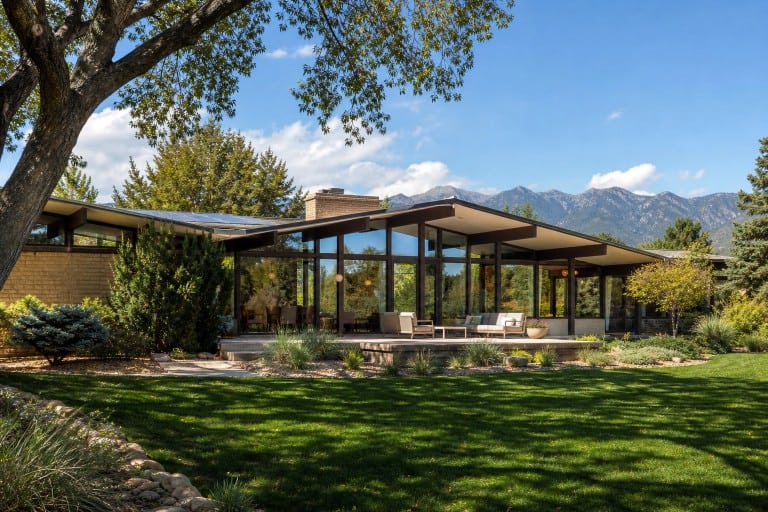
Denver mid-century modern homes can be hard to forget. Clerestory windows, exposed beams, open living areas, low rooflines, and a close connection to patios or gardens give these properties a character that newer construction rarely duplicates. Still, good design does not automatically mean good condition. Buyers should assess a home as both an architectural statement and a working building with aging materials, systems, and site conditions.
For local context, Denver CO real estate agent Arturo Bugarin works with Modern Homes Colorado, a Denver-based real estate team that advises buyers and sellers on architecturally distinctive properties. Its services focus on buying, selling, design, and preservation considerations for modern homes across urban and suburban Denver, as well as established mid-century modern enclaves, making local property knowledge especially useful when a home’s original details and long-term condition both matter.
Why These Homes Need a Closer Look
Many Denver-area mid-century homes were built for light, views, simple circulation, and indoor-outdoor living. Those features remain appealing, but they can also expose practical issues. Broad glass walls may affect comfort, flat or low-slope roof forms need careful maintenance, and an open plan can reveal uneven heating more quickly than a compartmentalized house.
Older homes may also contain a mix of original construction and later upgrades. A renovated kitchen can coexist with older wiring, dated plumbing, limited insulation, or drainage problems. Start with the assumption that every major component deserves its own review.
Start With Location, Setting, and the Lot
Walk the block before concentrating on finishes. Consider traffic, street noise, privacy, nearby redevelopment, and how the property fits the neighborhood. A compelling house can lose some of its daily appeal if its outdoor spaces face a busy road or a close neighboring structure.
Then study how the home sits on the land. Note sun exposure, mature trees, patio access, driveway slope, retaining walls, and where snow and meltwater are likely to go. Denver’s bright sun and changing weather make shade, drainage, and exterior maintenance important parts of comfort and ownership.
Look Past the Photos During a Showing
Staging is meant to show a home at its best. Slow down enough to inspect the elements that photographs do not reveal. Use a short, repeatable walkthrough checklist:
- Look at ceilings, floors, door frames, and window openings for cracks, unevenness, or signs of movement.
- Check lower walls, closets, and corners for staining, peeling finishes, or musty odors.
- Open cabinets below sinks and look for active leaks, corrosion, or water damage.
- Operate a few windows and doors, then test selected outlets and switches.
- Listen to heating and cooling equipment while it runs.
- Ask whether additions, finished basements, decks, kitchens, and bathrooms were permitted.
Evaluate the Roof, Foundation, and Drainage
Exterior condition deserves close attention. Hail, snow, intense sun, and temperature changes can be demanding on roofing and exterior finishes. Look for patched roof areas, worn flashing, clogged gutters, poor downspout extensions, standing water, cracked masonry, sloped floors, and doors that stick unexpectedly.
Pay special attention to grading around the foundation and to any history of basement moisture. Landscaping should direct water away from the home rather than toward it. A showing can identify questions, but it cannot replace a licensed home inspection or, when warranted, a structural evaluation.
Check the Major Mechanical Systems
Age, maintenance history, and installation quality usually matter more than whether a system is original or recently hidden behind finished walls.
- Electrical: Ask about the service panel, grounding, outlet condition, wiring updates, and capacity for modern appliances.
- Plumbing: Review pipe materials, water pressure, drain performance, and evidence of prior leaks.
- Heating and cooling: Confirm how the home is heated, whether cooling is central air, mini-splits, evaporative cooling, or another system, and whether rooms are comfortable throughout the house.
- Water heater: Check its age, visible condition, location, and safety features.
Study Windows, Insulation, and Energy Use
Expansive glazing is often central to mid-century design, but it can influence solar gain, drafts, and utility use. Ask when windows were installed, whether weatherstripping has been maintained, and if replacements changed the home’s original proportions or sightlines. Also review attic and basement insulation, air sealing, and ventilation.
When records are available, request utility bills from multiple seasons. Energy improvements can make a house more comfortable without stripping its character, especially when they preserve defining elements such as exposed beams, built-ins, period tile, and carefully framed views.
Review Renovations, Permits, and Specialized Inspections
Ask the seller for invoices, warranties, plans, contractor information, permits, and final inspection records. Mismatched materials, uneven trim, fresh paint around a problem area, or poor drainage near a new addition can warrant further investigation. Unpermitted work can complicate financing, insurance, resale, and future remodeling.
A general inspection is a starting point. Depending on the property, add a roof inspection, a sewer scope, an HVAC review, an electrical evaluation, a chimney inspection, a radon test, or an assessment for asbestos or lead-based paint. Buyers should ask for known radon results and review Colorado radon transaction guidance before deciding how testing or mitigation fits into the contract process.
Understand Neighborhood and Preservation Rules
Before planning new windows, an addition, a fence, major landscaping, or demolition, check applicable zoning, association requirements, and local design review rules. Some protections can help preserve neighborhood character while also limiting the scope or appearance of exterior changes. Current discussions around Denver conservation overlay rules illustrate why buyers should verify property-specific restrictions rather than rely on assumptions.
Estimate the True Cost of Ownership
The purchase price is only the opening number. Build a preliminary budget for immediate repairs, near-term roof or system replacements, insurance deductibles, energy improvements, irrigation, landscaping, taxes, and design-sensitive renovations. A practical formula is simple: estimate known work, add a contingency reserve, then compare that total with the home’s likely value and your comfort level.
Questions to Ask Before Writing an Offer
- How old are the roof, furnace, cooling equipment, plumbing, and electrical panel?
- What major work was completed, by whom, and are records available?
- Are there known moisture, drainage, foundation, or radon concerns?
- Which inspections should be included during the due diligence period?
- Are there design, preservation, or association restrictions?
- Which fixtures, furnishings, and original built-ins will remain with the home?
- Will the property meet financing and insurance requirements?
A Practical Buyer’s Decision Checklist
- Design: Does the layout work for daily life?
- Condition: Are the structure, envelope, and systems dependable?
- Costs: Can you handle repairs and planned upgrades?
- Rules: Are your renovation plans realistic?
- Location: Does the lot and neighborhood support long-term satisfaction?
- Resale: Will the home’s strongest features remain meaningful to future buyers?
Buy the Home, Not Just the Look
A memorable roofline or dramatic wall of glass can be the reason a buyer first falls in love with a Denver mid-century modern home. The strongest purchase, however, combines that architectural appeal with sound structure, reliable systems, clear records, manageable costs, and a setting that suits the buyer’s plans. Taking a closer look before making an offer can prevent expensive surprises and make the final decision far more confident.