Safety underfoot can change quite a bit depending on how a garage floor is coated and finished. Smooth coatings may feel secure while dry yet become noticeably slick after water, oil, or road moisture reaches the surface. Texture, aggregate, coating chemistry, wear, and maintenance all influence how much grip a finished floor provides during everyday use.
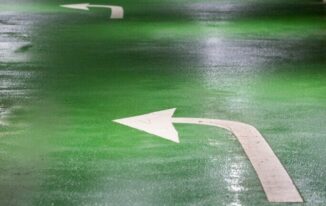
Smooth Coatings Can Behave Differently Once They Get Wet
Glossy finishes create an easy-to-clean surface, but their low texture can reduce traction when moisture spreads across the floor. Rainwater from tires, melted snow, vehicle fluids, and routine washing can all change how a garage floor coating feels under shoes.
Surface profile therefore matters alongside appearance. Adding texture to selected areas can improve footing without turning the entire garage into a rough surface that traps dirt or becomes difficult to mop.
Why Do Decorative Flakes Affect Floor Traction?
Decorative flakes add visual depth while also creating small variations across the coating surface. Broadcast density and the number of clear coats placed over those flakes determine whether the finished epoxy garage floor feels noticeably textured or nearly smooth.
Heavier flake coverage can provide more surface profile, although thick topcoats may bury much of that texture. Contractors balance appearance, cleanability, and grip based on how the garage will actually be used.
Anti-Slip Aggregates Add Texture Where Extra Grip Is Needed
Fine aggregates can be mixed into or broadcast over a coating to create additional traction. Materials vary in particle size and hardness, allowing installers to adjust texture for residential garages, service areas, ramps, or spaces exposed to frequent moisture.
Coarser particles generally create stronger grip but can make cleaning more demanding. Anyone searching for an epoxy floor company near me should discuss where added traction is needed rather than assuming maximum texture belongs across the entire floor.
Epoxy Systems Can Be Adjusted for Different Use Conditions
Epoxy flooring does not have one fixed level of slip resistance because installers can change the surface through flakes, aggregates, topcoats, and finishing techniques. A lightly textured residential system may feel very different from an industrial coating designed around wet-process work or rolling traffic.
Application choices also affect the result. Epoxy flooring companies should consider pedestrian routes, tire movement, drainage, contaminants, and cleaning methods before recommending a surface profile.
How Does a Clear Topcoat Change the Finished Texture?
Clear coats protect decorative layers from abrasion, chemicals, stains, and normal wear. Multiple coats can also smooth over underlying flakes or aggregate, reducing some of the texture that originally helped provide traction.
Thickness needs to match both performance and safety goals. Installers can preserve more surface profile by selecting the proper coating build and incorporating suitable traction media into the final layer where needed.
Wear Patterns Can Slowly Change Slip Resistance
Daily traffic gradually changes the surface, particularly along tire tracks, garage entrances, work areas, and frequently used walking paths. Repeated abrasion may smooth high spots over time, while damaged coating can create uneven areas that behave differently underfoot.
Cleaning practices influence traction as well because oil films, soap residue, dust, and fine debris can make even textured floors slippery. Routine maintenance keeps the intended surface profile exposed instead of allowing contaminants to cover it.
The Right Texture Depends on What Happens Inside the Garage
Residential parking areas usually need a different balance than repair shops, fleet garages, loading areas, or industrial workspaces. Employees carrying tools, customers walking through service bays, rolling equipment, and frequent liquid exposure may justify greater traction than a garage used mainly for parked passenger vehicles.
Planning should also account for ramps, entrances, drains, wash areas, and other locations where slipping is more likely. Pros LLC provides epoxy flooring, garage floor coatings, concrete surface preparation, and heavy-duty flooring solutions for commercial and industrial properties. Its team can assess traffic levels, moisture, existing concrete conditions, and maintenance demands to recommend a coating system that delivers the right mix of traction, durability, and day-to-day performance for the space.