
Key Takeaways
- Facility maintenance companies are essential in ensuring buildings promote occupant health and well-being.
- Effective maintenance strategies can lead to increased productivity and reduced absenteeism.
- Integrating modern technologies and sustainable practices enhances the healthiness of building environments.
Introduction
Modern society has recognized the critical link between healthy indoor environments and human well-being. The spaces where people live and work directly affect comfort, health, and productivity. As a result, facility maintenance companies play an increasingly important role in maintaining high standards in these buildings. Clean indoor air, reliable systems, and positive environmental factors do not occur by accident. Consistent efforts and expert oversight are key to maintaining such standards. Facility maintenance teams manage these responsibilities, supporting both the physical structures and the people who use them every day.
Maintaining clean, safe, and comfortable environments helps reduce illness, boost employee satisfaction, and decrease absenteeism. These outcomes are vital not only for occupant well-being but also for the long-term reputation and financial success of any property. Beyond well-being, tenants and building managers appreciate long-lasting structures and efficient systems. Effective preventive maintenance, thoughtful upgrades, and timely repairs can significantly improve lifespan and sustainability. That is why sound facility management is a cornerstone for a healthy indoor environment and a smart financial strategy. One crucial area relating to building comfort and efficiency is HVAC system maintenance. Routine inspections and precise management of heating, ventilation, and air conditioning systems protect air quality and optimize energy use, directly impacting occupant health and building performance.
Understanding Healthy Building Environments
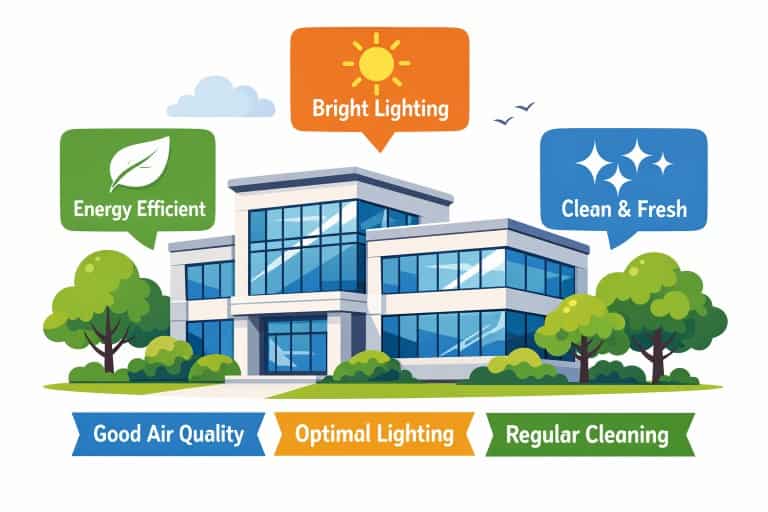
A healthy building environment encompasses a blend of factors that influence how people feel and function inside. The key elements include indoor air quality, lighting, acoustics, thermal comfort, and cleanliness. Scientific research has shown that poor air quality can trigger respiratory problems, allergies, or headaches, while suboptimal lighting may contribute to eye strain and fatigue. Proper thermal conditions and a well-managed indoor ecosystem are associated with better sleep, reduced stress, and increased concentration.
The Integral Role of Facility Maintenance Companies
Facility maintenance companies support healthy environments by handling various essential tasks, including:
- Regular Cleaning and Sanitation: Detailed and routine cleaning reduces the buildup of germs and contaminants. Well-designed cleaning protocols limit the transmission of illnesses, especially in high-traffic areas.
- HVAC System Maintenance: Technicians ensure heating, ventilation, and air conditioning equipment delivers clean, filtered air and sustains comfortable temperatures throughout the year.
- Lighting Management: Maintenance teams keep lighting systems calibrated, replacing failed bulbs and optimizing layouts to support natural circadian rhythms.
- Structural Integrity Checks: Frequent safety checks identify and resolve hazards, such as leaks, mold, or damaged components. This helps safeguard both the building and its occupants.
Impact on Occupant Health and Productivity
Research demonstrates a clear connection between well-maintained facilities and improved health outcomes. Building occupants in healthier environments tend to enjoy greater comfort and lower absenteeism rates. Some studies estimate that improvements such as enhanced ventilation, upgraded lighting, and improved thermal comfort can deliver substantial gains in productivity and even support higher rents and tenant retention rates. Effective maintenance supports wellness by removing allergens, potential toxins, and sources of workplace stress. In turn, this fosters an atmosphere where individuals can focus better, work more effectively, and experience fewer health disruptions.
Integrating Modern Technologies
The rapid evolution of building technology has created new opportunities for facility maintenance companies. Smart building systems now enable remote and automated control of lighting, air quality, and temperature settings. These technologies can detect shifts in occupancy or environmental conditions and adapt in real-time to optimize both comfort and energy efficiency. Through continuous data collection and analytics, maintenance professionals can predict potential failures and proactively address them before they impact occupants.
Sustainable Practices for Long-Term Health
Adopting sustainable facility maintenance practices reduces environmental impact and improves human health. Eco-friendly cleaning solutions and green-certified products reduce exposure to harsh chemicals. Implementing practices such as waste reduction, recycling programs, and energy-efficient upgrades contributes to both global and local sustainability initiatives. These measures provide safer indoor air, reduce carbon emissions, and align with occupant preferences for responsible building operations.
Challenges and Solutions in Facility Maintenance
Facility maintenance teams face challenges ranging from evolving health codes to shrinking operational budgets. To overcome these hurdles, companies invest in ongoing staff training, embrace new technologies, and prioritize risk management and communication. Staying informed about industry standards and adapting to changes ensures that best practices are always in place, benefiting everyone in the building.
Conclusion
Facility maintenance companies are critical partners in achieving healthier, more productive buildings. Their vigilance, technical expertise, and dedication support the well-being of all occupants. As the science and expectations around healthy indoor environments continue to advance, these experts will remain at the foundation of safe, sustainable, and welcoming spaces for years to come.