Key Takeaways
- Proper insulation is essential for reducing energy usage and achieving balanced indoor temperatures.
- Addressing air leaks, upgrading insulation, and using advanced materials deliver cost-effective improvements.
- Regular inspections and expert assessments help maintain insulation performance over time.
Table of Contents
- Understanding the Importance of Home Insulation
- Identifying Common Insulation Issues
- Choosing the Right Insulation Materials
- Sealing Air Leaks
- Upgrading Attic and Wall Insulation
- Incorporating Smart Home Technologies
- Regular Maintenance and Professional Assessments
- Conclusion
Homeowners looking to enhance comfort and reduce high utility bills should make insulation a top priority. A well-insulated home offers year-round temperature control, providing a consistent indoor environment and potentially lowering energy costs, while supporting environmental sustainability. Early planning and the use of advanced techniques ensure an optimal result, and those researching the best home insulation solutions will benefit from a strategic approach to every step of the process.
As climate conditions grow more unpredictable and energy costs continue to rise, the importance of insulation cannot be overstated. Insulation not only enhances energy efficiency, but also helps preserve the longevity of home heating and cooling systems by reducing the stress on them throughout the year. Upgrading insulation is a key investment in your home’s comfort and its long-term value.
Air leaks and insufficient sealing are among the most overlooked culprits in high energy costs. Investing in the right insulation materials for your location and staying vigilant about regular upkeep pave the way for improved energy performance. Every detail, from the type of material used to the quality of installation, influences overall effectiveness.
For homeowners focused on protecting their homes from heat loss, a targeted solution like attic insulation can deliver precise benefits and further strengthen overall energy efficiency.
Understanding the Importance of Home Insulation
Home insulation acts as a key barrier against temperature fluctuations, keeping heat inside during winter and blocking excessive heat during summer. According to the U.S. Department of Energy, effective insulation can help homeowners save up to 20 percent on heating and cooling bills. By minimizing heat exchange, it also reduces the environmental impact of energy use, supporting broader sustainability goals.
Identifying Common Insulation Issues
Awareness of typical insulation problems is critical when planning upgrades. Air leaks around windows, doors, and plumbing can undermine even high-quality insulation, leading to loss of conditioned air. Insufficient insulation is another common issue, particularly in older homes where building standards may differ from today’s requirements. Moisture intrusion, from leaks or condensation, can also degrade materials over time and pose risks of mold or structural weakening. Professional energy audits, including tests like thermographic imaging, help uncover these hidden issues and provide actionable recommendations.
Choosing the Right Insulation Materials
The choice of insulation material determines both cost effectiveness and performance. Fiberglass remains a popular option due to its affordability and reliability. Cellulose, made largely from recycled paper, is favored for eco-conscious homeowners seeking both sustainability and good thermal resistance. Spray foam insulation, with its superior air sealing qualities and high R-values, offers a modern solution ideal for challenging spaces. Recent innovations such as aerogel and vacuum-insulated panels are gaining interest for their exceptional insulating properties. However, they tend to be more expensive and best suited to new construction or major remodels. More details about modern materials can be found through resources like Popular Mechanics.
Sealing Air Leaks
One of the simplest but most powerful upgrades is identifying and closing air leaks throughout the home. Begin by inspecting common trouble spots such as window frames, doorjambs, electrical outlets, plumbing penetrations, and attic hatches. Use caulking to seal small gaps around stationary building components, while weatherstripping is recommended for doors and operable windows. Adding door sweeps at the bottom of exterior doors further blocks unwanted drafts. These steps alone can yield more than 5 percent energy savings and help maintain a stable indoor environment.
Upgrading Attic and Wall Insulation
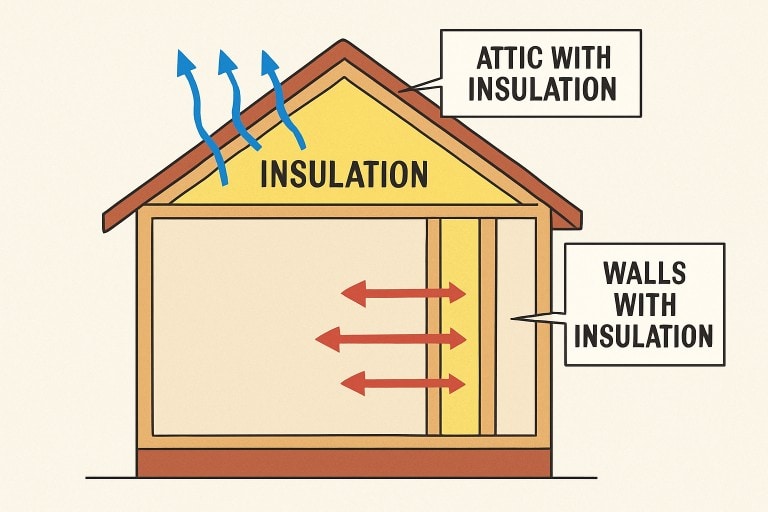
Targeting attics and exterior walls offers the greatest potential for reducing energy consumption. Increasing attic insulation, either by adding to existing material or replacing outdated insulation, helps curb heat that rises and escapes through the roof. Most experts recommend installing an insulation layer 300 to 350 millimeters thick for optimal efficiency. Similarly, wall cavities, particularly in homes built before 1980, often benefit from retrofitted insulation. Making these improvements can lead to up to 40 percent cuts in heating and cooling needs, contributing to lower utility costs and a more comfortable living space.
Incorporating Smart Home Technologies
Emerging smart home technologies can further optimize insulation performance. Devices like smart thermostats learn user preferences and occupancy patterns, adjusting temperatures for comfort and energy savings. Homeowners can leverage real-time energy monitoring systems to discover hidden inefficiencies and make targeted improvements. These tools not only help automate comfort but also generate significant cost savings and support long-term sustainability practices.
Regular Maintenance and Professional Assessments
Maintaining home insulation requires diligence and periodic checks. Look out for physical deterioration such as sagging, moisture staining, or pest infestations, which can all compromise thermal efficiency. Scheduling professional energy audits or inspections every few years ensures that insulation is operating as intended and provides opportunities for proactive repairs. Consistent maintenance supports the full lifespan of materials and maximizes your investment.
Conclusion
The pursuit of optimal home insulation is both an investment in comfort and a commitment to sustainability. Focusing on proper material selection, addressing common issues, sealing air leaks, upgrading critical areas such as attics and walls, leveraging smart technologies, and maintaining regular upkeep all contribute to maximizing energy efficiency. For those ready to make impactful improvements, prioritizing insulation upgrades can yield both immediate and long-term rewards for any home environment.