
Mosquitoes are not just a nuisance; they are vectors of several serious diseases, including malaria, dengue, Zika virus, and West Nile virus. The fight against mosquitoes has been ongoing for decades, utilizing a variety of strategies rooted in scientific research and technological advancements. Understanding the science behind these mosquito control techniques is crucial for effective management and prevention of mosquito-borne diseases.
The Biology of Mosquitoes
To effectively control mosquitoes, it’s essential to understand their biology and lifecycle. Mosquitoes undergo four life stages: egg, larva, pupa, and adult. The first three stages occur in water, making aquatic environments crucial targets for control. Adult mosquitoes are known for feeding on nectar, but females require blood meals for egg production, which is when they become vectors for disease transmission.
Larval Control Techniques
Targeting mosquitoes at the larval stage is a critical part of control strategies. Larvicides, such as Bacillus thuringiensis israelensis (Bti), are biological agents that specifically target mosquito larvae without harming other aquatic organisms. Additionally, environmental modifications, like draining standing water and using larvivorous fish, can significantly reduce larval populations.
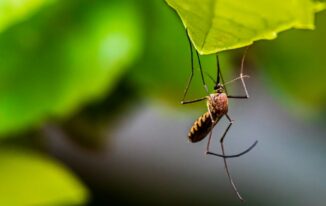
Adult Mosquito Control
For controlling adult mosquitoes, insecticides and repellents are commonly used. Pyrethroids and organophosphates are two classes of insecticides that disrupt the nervous system of mosquitoes, providing quick knockdown effects. Furthermore, personal repellents containing DEET or picaridin offer protection against mosquito bites.
Genetic and Biological Control Methods
Innovative genetic techniques, such as the release of genetically modified mosquitoes, are being explored to control mosquito populations. These mosquitoes are engineered to produce non-viable offspring, gradually reducing the population. Additionally, the use of Wolbachia-infected mosquitoes, which interfere with virus replication, is another promising strategy.
Behavioral and Environmental Approaches
Understanding mosquito behavior can enhance control efforts. For instance, altering human behavior by using bed nets or wearing protective clothing can significantly reduce mosquito bites. Environmental management, such as landscaping to eliminate breeding sites and using mosquito traps, also plays a vital role in integrated mosquito management.
Challenges and Future Directions
Despite significant advancements, mosquito control faces several challenges, including resistance to insecticides and public acceptance of genetic modifications. Continued research and development of new strategies, along with education and community involvement, are essential for sustainable mosquito control efforts. As these challenges are met, the integration of multiple control methods will likely provide the most effective solution for managing mosquito populations and reducing the spread of diseases.
For more information about Mosquito Control techniques and solutions, visit Scout Pest Control.