Key Takeaways
- Proactive maintenance helps avoid expensive mechanical failures and emergency repairs by catching small problems early.
- Well-maintained vehicles use less fuel, saving money every time you fill up and making routine trips less costly.
- Regular care preserves your vehicle’s value, resulting in higher returns when it is time to sell or trade in.
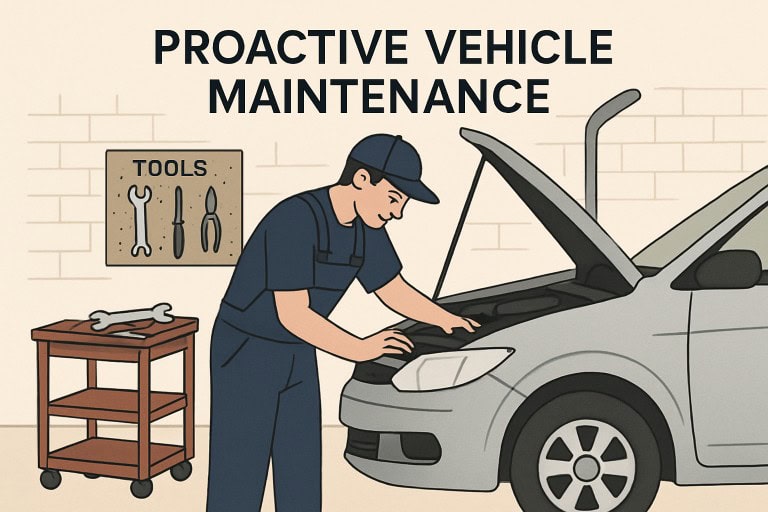
Maintaining your vehicle goes beyond simply ticking boxes on your service log during the occasional visit to the mechanic. With a proactive approach, regular auto maintenance becomes much more than a routine obligation; it can significantly extend your car’s lifespan, boost the efficiency of its essential systems, and help you avoid unexpected breakdowns that can quickly strain your finances. Learn more about how routine maintenance protects your investment and keeps your car running smoothly.
Sticking to a scheduled maintenance plan not only safeguards your investment by keeping your car in optimal condition but also protects you from mounting repair bills and disappointing resale values. Taking good care of your car gives you peace of mind on the road, knowing you’ve reduced the risk of being surprised by a mechanical failure.
Many drivers overlook just how substantial a commitment to routine care, such as oil changes, brake checks, and tire rotations, can be in lowering their long-term ownership costs. It’s easy to put off a minor service when your car seems to be running smoothly, but smart vehicle owners know that addressing small issues before they escalate can save real money, both at the pump and in the auto shop. Proactively maintaining your car could be the difference between a minor fix and a major repair bill, making it a wise strategy for anyone hoping to keep auto expenses in check.
Preventing Costly Repairs
Ignoring seemingly minor issues such as an unusual noise, a dashboard warning light, or reduced braking power can quickly lead to more extensive and expensive problems down the road. What may begin as a small oil leak or a slightly worn brake pad, if left unaddressed, can develop into major engine trouble or total brake failure. Regular inspections and preventive maintenance, such as checking fluid levels, replacing worn belts, and inspecting hoses, help you tackle these issues early. According to a Consumer Reports report, vehicle owners can save thousands of dollars over the lifespan of their cars by maintaining routine service and timely repairs. Keeping up with your vehicle’s maintenance schedule ultimately means fewer surprise expenses and less time spent dealing with emergency repairs or towing.
Enhancing Fuel Efficiency
Even small maintenance lapses can affect how efficiently your car uses fuel. Something as simple as a clogged air filter or underinflated tires can substantially reduce fuel efficiency, causing you to spend more on gas over time. Proper maintenance ensures your vehicle uses fuel as efficiently as possible, helping you get more miles and value from every gallon. The U.S. Department of Energy states that keeping tires inflated to recommended levels can improve gas mileage by about three percent, a tangible savings over the course of a year. Additionally, changing dirty air filters can improve acceleration and fuel economy, particularly in older cars. When all the components of your vehicle are running as intended, your engine doesn’t have to work as hard, so every trip is easier on your wallet. Staying on top of basic maintenance can add up to hundreds of dollars in annual fuel savings, making this a smart move for every driver.
Extending Vehicle Lifespan
When each part of your vehicle functions as it should, it prevents excess strain on connected systems. Timely oil changes keep your engine lubricated and running smoothly, while regularly checking and replacing transmission and brake fluids ensures that your powertrain and brakes function as intended. Regular attention to all these systems reduces wear and tear that can shorten your vehicle’s life and lead to more frequent replacements. This commitment to ongoing care can reward you with a car that consistently performs well for years and provides reliable transportation well beyond the manufacturer’s warranty. Ultimately, extending your vehicle’s lifespan helps you avoid prematurely shopping for a new car, which means you’ll get more for your initial investment.
Maintaining Resale Value
A car with a documented maintenance history stands out in the used car market. Prospective buyers frequently pay a premium for vehicles that demonstrate reliable care, as it signals dependability and reduces the perceived risk of hidden issues. According to Kelley Blue Book, one of the best ways to maximize your vehicle’s trade-in or resale value is to keep records of regular maintenance. These records make your car a more attractive option to future owners, and can serve as proof of value during negotiations or when evaluating trade-in quotes from dealerships. Maintaining detailed service logs and receipts for all major repairs or services gives buyers greater confidence, making it easier to sell your vehicle quickly and at a higher price.
Building a Relationship with a Trusted Mechanic
Finding and sticking with a reputable mechanic can yield both short- and long-term savings. When you consistently bring your vehicle to the same shop, you often benefit from more transparent pricing, honest advice, and timely reminders about what your car needs next. Over time, your mechanic develops an understanding of your car’s unique needs and potential trouble spots, which can help you stay ahead of major repairs and even score priority bookings or discounts. Establishing rapport with a trustworthy professional can provide an added layer of assurance that your car is in good hands and often leads to better overall customer service, including early warnings about potential issues you might otherwise overlook.
DIY Maintenance Tips
Not all maintenance tasks require professional expertise. There are several easy steps you can take at home to help keep your vehicle in good condition and prevent problems before they start, many of which require only minimal tools and a few minutes of your time:
- Check and maintain the correct tire pressure at least once a month or before long trips. This helps prevent uneven tire wear and maximizes fuel efficiency.
- Change your engine air filter according to the manufacturer’s recommendations, usually every 12,000 to 15,000 miles. A clean filter improves engine performance and protects vital components from dust and debris.
- Keep an eye on fluid levels: engine oil, coolant, transmission fluid, and top off as needed. Catching drops in these levels early can alert you to leaks or component wear.
- Replace worn windshield wipers so you always have a clear field of vision, especially important during rainy or snowy weather. New wipers are inexpensive and can be swapped out in just a few minutes.
Even these small steps can help prevent issues and save on costly repairs caused by neglected basics. Taking charge of these routine tasks empowers you to spot issues early and address them before they become headaches, potentially saving you hundreds in the long run.
Final Thoughts
Regular auto maintenance pays measurable dividends for both your vehicle’s health and your budget. By catching problems early, improving fuel economy, and preserving value, you set yourself up for years of worry-free driving and potential savings as a car owner. Investing in scheduled care is not just about keeping your car on the road; it is a proven financial strategy that protects your wallet from unexpected surprises while ensuring that your vehicle remains a dependable partner on every journey. Whether you plan to keep your car for several years or eventually sell it, attentive maintenance is always a smart investment that delivers real returns in savings and peace of mind.