Most people have experienced the discomfort of feeling uncomfortably full after a meal. Symptoms such as tightness, gassiness, and lingering sluggishness are more than just minor annoyances—they can be both confusing and frustrating.. While many dismiss bloating as something minor, it’s often a sign that the gut is trying to tell us something important.
The gut, often called the “second brain,” is one of the most complex parts of the body. It does more than digest food. It influences mood, immunity, and overall well-being. When the gut is out of balance, the effects can reach far and wide, affecting everything from energy levels to mental clarity.
For those struggling with persistent digestive discomfort, understanding how gut health, bloating, and digestion connect is the first step toward real relief. While some may consult a gastroenterologist or another digestive specialist to identify the underlying cause, but even before that, awareness begins with knowing how these systems work together.
The Gut’s Role in Everyday Health
The Microbiome Connection
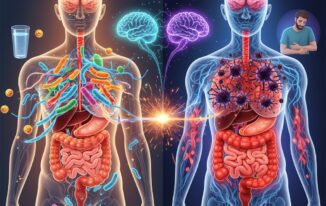
Deep within the digestive tract lives a vast, invisible world of bacteria, fungi, and microorganisms known as the gut microbiome. These microbes help break down food, produce essential vitamins, and defend against harmful invaders. When this balance shifts — often due to stress, poor diet, or antibiotics — the digestive system can become less efficient, leading to bloating, discomfort, or even irregular bowel habits.
A diverse microbiome supports smooth digestion, ensuring that food moves efficiently through the gut and helps prevent the excess gas that leads to bloating. On the other hand, when certain bacteria dominate, fermentation can increase, producing gas and inflammation that make the abdomen feel tight or swollen.
How Digestive Transit Affects Bloating
Digestion is like a carefully timed relay race. From the moment food enters the mouth, each digestive enzyme and organ plays a part. If any stage slows—whether due to reduced stomach acid, sluggish intestinal movement, or poor enzyme production — food may sit longer in the gut than it should. This delay can create an environment where bacteria ferment the leftovers, leading to gas and bloating.
It’s not always about how much one eats, but how well the body processes it. Some people may find that even small amounts of food cause fullness or distension, indicating a disruption in digestive rhythm. Understanding this connection helps many realize that bloating isn’t always just “in the stomach”; it’s part of the broader digestive process.
The Gut-Brain Relationship
Stress, anxiety, and insufficient rest can directly affect the gut. The brain and digestive system share a strong communication line through the gut-brain axis. When one feels stressed, this axis can trigger slower digestion or heightened sensitivity to normal digestive processes, making even mild bloating feel more noticeable or painful.
Mindful eating, stress management, and adequate rest often play often-overlooked but important in maintaining digestive ease. People who manage stress well often experience less disruption in digestion, highlighting the close connection between emotional wellness and gut health.
When Digestion Goes Off Track
Food Sensitivities and Imbalances
Sometimes the body reacts poorly to certain foods without a full-blown allergy. Lactose, gluten, or even high-fiber foods may be hard to digest for some people. When the digestive system can’t fully break them down, fermentation intensifies, and bloating soon follows. What’s more, repeated irritation from difficult-to-digest foods can inflame the gut lining over time, worsening discomfort.
Paying attention to food patterns makes a difference. Keeping a simple food journal can help pinpoint which items trigger symptoms most often. From there, small dietary adjustments — rather than drastic overhauls — can help the gut find its balance again.
The Role of Lifestyle and Habits
Beyond food, lifestyle has an incredible influence on digestion. Eating too quickly, skipping meals, or drinking inadequate water can all throw off the body’s natural digestive pace. Likewise, a sedentary routine slows metabolism, causing digestion to drag. Gentle daily movement, even a short walk after meals, helps stimulate intestinal flow and reduce bloating.
Sleep also plays a role. The body regenerates during rest, and the digestive system benefits from that downtime. A continuous lack of sleep can interfere with the production of digestive hormones and enzymes, making bloating more frequent. Prioritizing sleep, balanced meals, and moderate activity can seem basic, but over time, they create a powerful foundation for better gut function.
Bringing the Gut Back in Sync
A healthier gut rarely happens overnight. It’s a gradual process that depends on consistent, mindful habits. Eating fresh, fiber-rich foods, staying hydrated, and managing stress all play vital roles in building a resilient digestive system. For ongoing or severe symptoms, consulting a healthcare professional becomes essential. A specialist such as a gastroenterologist can perform tests to identify deeper issues like food intolerances, bacterial overgrowth, or inflammatory conditions, ensuring that treatment is tailored to the individual’s needs.
Understanding that gut health, bloating, and digestion are deeply intertwined allows people to take a more compassionate approach to their bodies. Listening to physical cues, avoiding patterns of overrestriction or overeating, and nurturing both mind and body can restore balance. A calm and well-functioning gut not only reduces discomfort but also unlocks a sense of lightness, ease, and renewed vitality — reminding us that good digestion is at the heart of feeling well every day.