Key Takeaways
- Applying for a business credit card with only an EIN is possible, but the requirements are often stringent.
- Developing a robust business credit history is critical before applying.
- Separating personal and business credit is beneficial for liability protection and growth potential.
Table of Contents
- Understanding EIN and Its Role
- Eligibility Criteria for EIN-Only Applications
- Steps to Apply for a Business Credit Card with an EIN
- Building Business Credit Before Applying
- Potential Challenges and How to Overcome Them
- Alternative Financing Options
- Conclusion
Securing a business credit card is an essential step for many entrepreneurs who want to separate personal and business expenses while building a strong credit profile for their company. Although many business credit card issuers require an applicant’s Social Security Number (SSN), some banks allow you to apply using only an Employer Identification Number (EIN). This approach can be crucial for business owners who wish to maintain privacy or legally separate finances. For more details and practical tips, browse this business credit card EIN only guide to understand the specific circumstances and issuers that make EIN-only applications possible.
Successfully applying for a business credit card with just an EIN depends on several factors, such as the strength of your business’s credit profile and overall financial health. This article details what you need to know about eligibility, the application process, and potential obstacles you might encounter. Understanding these elements can help you prepare effectively and increase your chances of approval.
Not only does using an EIN keep your business and personal finances separate, but it also helps build credit exclusively in your company’s name. This separation protects your personal credit in case your business faces financial difficulties and streamlines tax accounting. As more financial institutions recognize the need for stronger business credit profiles, understanding your options is vital for responsible economic management.
Business owners who navigate this process successfully often find benefits beyond access to credit; they also establish long-term credibility with lenders, vendors, and partners. Early preparation and strategic credit-building measures can make the journey smoother and support your company’s growth ambitions.
Understanding EIN and Its Role
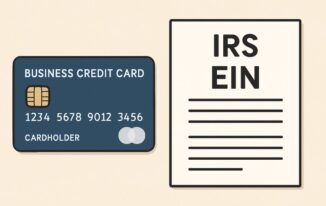
An Employer Identification Number (EIN) is a unique nine-digit identifier issued by the IRS to businesses for tax administration and reporting. Much like an SSN distinguishes individuals, an EIN distinguishes your business as a separate legal entity. When you use an EIN for credit card applications, you help keep personal and business finances distinctly separate, offering both organizational and liability advantages. Proper use of an EIN is fundamental to maintaining the limited liability protection provided by specific incorporation structures, such as LLCs and corporations.
Building credit under your business EIN, rather than your SSN, empowers your business by allowing you to access larger lines of credit and paving the path for financing opportunities that do not rely solely on your personal credit standing. This approach also adds credibility with vendors and clients, showcasing your commitment to professional financial practices.
Eligibility Criteria for EIN-Only Applications
Very few banks or issuers offer EIN-only applications for business credit cards, and those that do typically reserve them for businesses that have already demonstrated financial strength and operational history. The following elements play key roles in determining eligibility:
- Business Structure: Corporations (C-Corp or S-Corp) and Limited Liability Companies (LLCs) tend to have greater success with EIN-only applications compared to sole proprietorships, which often mix personal and business finances.
- Revenue Requirements: Most banks look for a proven track record of substantial annual revenue, often exceeding $1 million. Lenders are more comfortable extending credit when they know the business produces reliable income.
- Established Business Credit: Your company should already have an established business credit file with agencies like Dun & Bradstreet, Experian Business, or Equifax Business. A favorable Paydex score and an absence of recent negative marks reflect positively on a card application.
Eligibility may also depend on your ability to provide key documents, such as detailed financial statements, recent business tax returns, and lists of current vendors. A thorough review of these factors can help you identify areas to improve before you apply. For additional background on business financing requirements, review the comprehensive resources at NerdWallet.
Steps to Apply for a Business Credit Card with an EIN
- Obtain an EIN: If your business does not have an EIN, you can easily apply online through the IRS website. This process is free and takes just a few minutes.
- Open a Business Bank Account: A dedicated business account demonstrates a level of seriousness and financial organization that banks expect when considering credit applications.
- Register with Business Credit Bureaus: Ensure your business is listed with major reporting agencies, such as Dun & Bradstreet, and update your records regularly.
- Research Compatible Card Issuers: Look for banks and lenders that advertise EIN-only applications and pay attention to their terms, fee structures, and rewards programs to find a card suitable for your business.
- Gather Required Documentation: Lenders typically require several financial documents, including business tax returns, bank statements, and up-to-date profit-and-loss statements.
- Submit Your Application: Accurately complete the application, ensuring that all information matches your EIN records and business documentation.
Building Business Credit Before Applying
A strong business credit profile increases your chances of approval for an EIN-only business credit card. Here are practical strategies to build your company’s credit reputation:
- Timely Payments: Punctual payment history with vendors and lenders is a key factor in calculating business credit, so prioritize paying every invoice and bill on time.
- Open Trade Lines: Establish accounts with suppliers who report payment history to business credit bureaus. Even a few positive trade references can make a significant difference.
- Monitor Credit Reports: Regularly review business credit reports for errors or outdated information, and resolve discrepancies promptly. Routine monitoring can prevent surprises during the application process and keep your credit health in check.
For a complete breakdown on building and monitoring your business credit file, explore this detailed business credit guide.
Potential Challenges and How to Overcome Them
Applying for a business credit card with just an EIN often presents unique obstacles:
- Limited Card Options: Only a handful of card issuers offer EIN-only applications. Research carefully to find lenders with EIN-friendly policies.
- Strict Eligibility Requirements: Be prepared to demonstrate strong financials, substantial revenue, and an established business credit profile.
- Personal Guarantee Requests: Even with a robust business credit file, some issuers might require a personal guarantee. In these cases, closely review the terms and ensure you understand the personal risks involved.
Overcoming these challenges starts with diligent financial management, transparency, and, sometimes, the help of a financial advisor specializing in business financing. Make sure your records are accurate and up to date, and do not hesitate to ask lenders detailed questions before applying. For additional information on common business credit card pitfalls, see the comprehensive advice offered by NerdWallet.
Alternative Financing Options
If you encounter barriers to securing a business credit card with just your EIN, you might want to consider alternative business financing solutions:
- Secured Business Credit Cards: These require a security deposit as collateral, making them more accessible to businesses with weaker credit.
- Business Lines of Credit: Banks and credit unions may offer revolving lines of credit to businesses with a solid banking relationship, sometimes with more flexibility than a credit card.
- Vendor Credit: Establishing trade accounts with suppliers or service providers can help you finance inventory or operational costs while building your business credit at the same time.
Conclusion
While obtaining a business credit card with only an EIN can be complex and challenging, it remains a valuable goal for entrepreneurs who prioritize financial separation, privacy, and professional growth. With thorough preparation, including building your business credit profile, researching compatible issuers, and gathering the required documents, you can substantially improve your chances of approval. As with all credit products, diligent financial management and monitoring remain key to sustainable business success.