Table of Contents
- Advanced Clinical Knowledge
- Curriculum Development and Instructional Design
- Effective Teaching and Communication Skills
- Leadership and Mentorship Abilities
- Research and Evidence-Based Practice
- Technological Proficiency in Education
- Cultural Competency and Inclusivity
- Commitment to Lifelong Learning
If you’re passionate about the intersection of advanced practice nursing and education, earning your MSN with a concentration in nursing education can be a transformative step. With more accessible learning options, online nurse educator programs offer flexible pathways for working nurses to advance their skills and shape the future of healthcare. Whether you want to become a professor, clinical instructor, or curriculum developer, an MSN in nurse education provides a robust skill set valued in both academic and clinical environments.
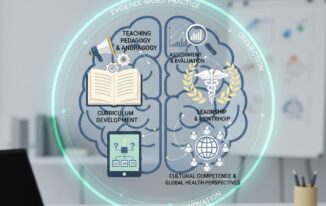
Pursuing this degree equips nurses with advanced clinical skills and the ability to mentor and inspire future nurses. The program emphasizes practical teaching, curriculum development, leadership, research, and cultural competency to address the growing complexities of healthcare. Graduates are prepared for academic roles, clinical education leadership, and influencing healthcare policy. With a rising demand for qualified nurse educators due to faculty shortages, MSN-prepared professionals can expect strong career opportunities while modeling professionalism and lifelong learning.
Advanced Clinical Knowledge
A nurse educator must possess a deep understanding of health conditions, treatment options, and best practices in patient care. MSN programs focused on nurse education offer rigorous coursework that expands your clinical expertise, enabling you to develop curricula aligned with up-to-date clinical guidelines and mentor students through complex, real-world patient care scenarios. This strong foundation enables you to respond to emerging healthcare trends and foster critical thinking among students.
Curriculum Development and Instructional Design
One of the cornerstones of nurse educator training is gaining mastery in curriculum design. You’ll learn the principles behind structuring comprehensive, evidence-based curricula, tailor content to different learning styles, and deploy innovative teaching strategies—such as simulation and case-based learning—to maximize student engagement. This skill is vital for preparing students to work across diverse clinical environments and meet accreditation standards.
Effective Teaching and Communication Skills
The ability to communicate complex information clearly and motivate learners distinguishes outstanding nurse educators. Online MSN programs rigorously build skills in delivering lectures, facilitating class discussions, and providing meaningful feedback to students. According to strategies outlined by Forbes for improving communication skills, mastering clear, persuasive communication is key to engaging and inspiring learners. These competencies not only strengthen classroom learning but also empower you to mentor students individually, resolve conflicts empathetically, and cultivate a positive classroom climate.
Leadership and Mentorship Abilities
As a nurse educator, you may find yourself leading educational teams, mentoring students, or overseeing clinical teaching initiatives. Leadership development is a critical pillar of MSN programs, providing opportunities to practice decision-making, conflict resolution, and program management. By fostering these skills, you become a capable mentor to both aspiring nurses and new faculty—a necessity as healthcare institutions strive for effective, collaborative work environments.
Research and Evidence-Based Practice
Incorporating research into both your clinical practice and teaching helps ensure a rigorous, science-driven approach to patient care. MSN nurse educator programs emphasize training in research appraisal, application, and dissemination. Students learn to critically evaluate clinical studies, implement evidence-based teaching, and encourage students to integrate research into their own nursing practice, driving advancements in care quality and safety.
Technological Proficiency in Education
Digital literacy is becoming increasingly important in both academic and healthcare environments. Nurse educators are trained to utilize learning management systems, simulation software, and telehealth platforms to create dynamic, engaging, and accessible learning experiences. Proficiency in these technologies also enables you to adapt quickly as educational delivery methods continue to evolve, enhancing the overall quality and reach of your teaching.
Cultural Competency and Inclusivity
Equipping the future nursing workforce with the skills needed to provide culturally sensitive, equitable care is a vital aspect of nurse education. MSN curricula emphasize the development of cultural humility and inclusive practices, enabling you to prepare students for work with diverse patient populations and to address healthcare disparities head-on. This competency is necessary for broader impact in the healthcare system and for accreditation by leading bodies, which increasingly require diversity, equity, and inclusion initiatives.
Commitment to Lifelong Learning
The world of healthcare is ever-evolving, requiring nurses and educators alike to pursue ongoing professional development. An MSN in nurse education not only encourages a personal commitment to lifelong learning but also equips you to instill this value in your students. By modeling active engagement with new research and emerging technologies, you inspire others to stay current and responsive to changes in healthcare delivery.
Earning an online MSN – Nurse Educator degree positions you to become a transformative figure in healthcare education, and programs offered by institutions like Arkansas State University provide the comprehensive training and mentorship needed to excel in this critical role. Through mastery of advanced clinical knowledge, curriculum design, leadership, and cultural competence, you’ll be equipped to lead, mentor, and innovate for a stronger and more effective nursing workforce.