Table of Contents
- Introduction
- Smart Thermostats: Intelligent Temperature Control
- Energy-Efficient Appliances: Upgrading for Savings
- Proper Home Insulation: Keeping the Cool In
- Regular HVAC Maintenance: Ensuring Optimal Performance
- Reflective Roofing Materials: Deflecting Heat
- Solar-Powered Solutions: Harnessing Renewable Energy
- Sealing Air Leaks: Preventing Energy Loss
- Energy-Efficient Lighting: Reducing Heat Emission
Across Canada and beyond, homeowners are constantly faced with high energy bills, especially as summer temperatures soar. The challenge lies in staying cool and comfortable at home without watching utility costs skyrocket. Modern innovations, such as smart climate control and improved building practices, make energy savings not just possible but practical. When installing new cooling systems, working with trusted Kitchener air conditioning installers ensures the right solutions for optimal savings and comfort.
Adopting energy-efficient cooling strategies benefits both your wallet and the environment. These upgrades reduce energy consumption, shrink your household’s carbon footprint, and help maintain a healthier, more comfortable home. The following guide will explore several proven techniques and technologies that help homeowners move toward a more energy-conscious lifestyle while enjoying the comfort they expect all summer long.
From leveraging smart thermostats and efficient appliances to bolstering home insulation, regular maintenance, and solar integration, there are many opportunities to make meaningful improvements. Simple changes, like sealing air leaks or switching to better lighting, also contribute significantly to energy savings. This comprehensive overview will help you determine which methods best suit your home and lifestyle goals.
Many of these changes are straightforward and can pay for themselves quickly. Whether upgrading your entire cooling system or making targeted improvements, each step will contribute to consistent, measurable energy savings.
Smart Thermostats: Intelligent Temperature Control
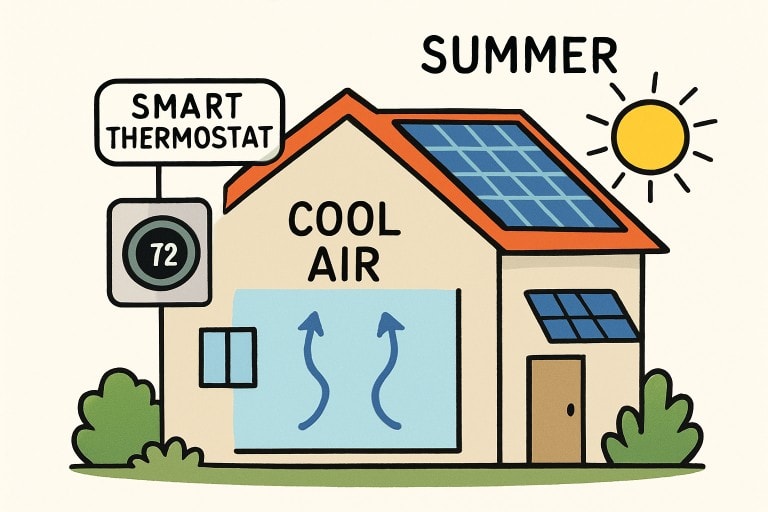
One of the quickest ways to curb energy use is to install a smart thermostat. These advanced devices learn your household’s patterns and preferences, allowing cooling systems to operate only at optimal times. According to the U.S. Department of Energy, smart thermostats have been shown to reduce home cooling energy use by 15 to 23 percent. They offer intuitive controls and let homeowners adjust settings remotely via smartphone apps.
Additionally, many models generate detailed energy use reports, making it easy to identify additional savings opportunities. Upgrading to a smart thermostat is a simple and cost-effective first step toward an energy-efficient home, and the convenience of automated control quickly becomes indispensable.
Energy-Efficient Appliances: Upgrading for Savings
Outdated air conditioners often consume excess energy, especially if undersized, oversized, or simply inefficient. Today’s systems, particularly those with high SEER (Seasonal Energy Efficiency Ratio) ratings or ENERGY STAR® certification, deliver powerful cooling with significantly less electricity. If your cooling system is more than 10 years old, consider replacing it. The U.S. Department of Energy suggests that upgrading to a high-efficiency model can cut cooling costs by up to 20 percent. Choosing equipment correctly sized for your home is essential to maximize these benefits.
Manufacturers have invested heavily in new technologies, such as variable speed compressors and programmable operation, all designed to keep your home comfortable while running more efficiently.
Proper Home Insulation: Keeping the Cool In
Insulation is your home’s first line of defense against heat intrusion. Without effective insulation in your attic, walls, and basement, the cool air produced by your HVAC system escapes quickly, forcing your unit to work overtime. Improving insulation can significantly reduce cooling loads. An energy audit can help identify where you are losing cold air and where upgrades will make the most difference. In many regions, local utility companies offer rebates for upgraded insulation, making this investment even more attractive.
Regular HVAC Maintenance: Ensuring Optimal Performance
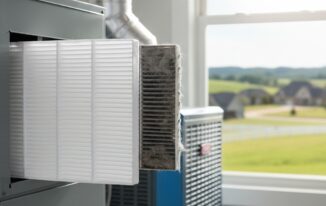
Even the most advanced cooling system will waste energy if not properly maintained. Dirty air filters, clogged coils, or blocked vents make your equipment work harder, reducing efficiency and raising utility costs. It’s vital to change air filters every one to three months during peak use and to schedule a professional tune-up at least once a year. Preventive maintenance also extends the lifespan of expensive HVAC equipment.
Reflective Roofing Materials: Deflecting Heat
Hot roofs are a major source of indoor heat gain in summer. Installing reflective roofing materials, such as special membranes, tiles, or metallic coatings, can reduce the amount of solar heat absorbed by your home. According to the U.S. Department of Energy, reflective or “cool” roofs can decrease roof surface temperatures by up to 50 degrees Fahrenheit, making a noticeable difference in indoor comfort. This investment can significantly reduce air conditioning use, especially in sun-exposed homes.
Solar-Powered Solutions: Harnessing Renewable Energy
Solar panels represent an eco-friendly power source that aligns perfectly with peak summer energy needs. During periods of intense sunlight, your panels can generate much of the electricity required to run cooling systems. Many homeowners using solar panels have reported summer electricity reductions of up to 90 percent. With steadily decreasing installation costs and government incentives available in many regions, solar adoption continues to rise for good reason.
Sealing Air Leaks: Preventing Energy Loss
Leaks around windows, doors, electrical outlets, and attic hatches often go unnoticed, but they can drastically affect your cooling bills. Air sealing with weatherstripping, caulk, or spray foam is simple and effective. Homeowners who address air leaks can significantly enhance home comfort and reduce HVAC system load. Frequent inspections, particularly before the cooling season begins, are a smart habit for continued energy savings.
Energy-Efficient Lighting: Reducing Heat Emission
Lighting may seem unrelated to cooling, but traditional bulbs (like incandescent bulbs) emit considerable heat into your home. Switching to energy-efficient options, such as LEDs and CFLs, can reduce indoor heat levels and power consumption. LEDs not only use up to 75 percent less energy but also last far longer than previous-generation bulbs, multiplying your savings year after year.
Incorporating these efficient cooling solutions prepares your home for both immediate and future savings. Each upgrade, small or large, moves you closer to a sustainable, low-cost, and comfortable living environment.