
Table of Contents
- Understanding Plantar Fasciitis
- Common Causes and Risk Factors
- Symptoms and Diagnosis
- Conservative Treatment Options
- Advanced Therapies
- Preventive Measures
- When to Seek Professional Help
- Conclusion
Plantar fasciitis, a leading cause of heel pain for people of all ages, can have a profound effect on daily comfort and mobility. Whether you’re an athlete or spend long hours on your feet for work, understanding how to manage and prevent this condition is crucial. Seeking skilled care from a direct care foot doctor Poconos ensures that your foot health is in the best hands and that you have access to both conservative and advanced care options.
This guide explores the origins of plantar fasciitis, its risk factors, and comprehensive strategies for managing pain and improving long-term foot function. By integrating practical wellness habits and medical treatments, individuals can reduce symptoms and restore an active lifestyle. Adopting expert prevention methods and knowing when to seek help are key to a faster recovery and lasting relief.
Understanding Plantar Fasciitis
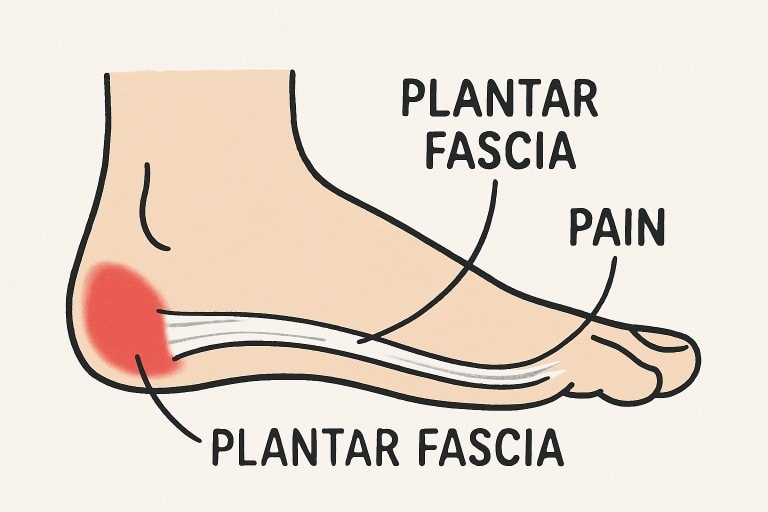
The plantar fascia is a resilient, fibrous band that connects your heel bone to your toes, supporting the natural arch of the foot. Repetitive strain or excessive pressure can cause microtears and inflammation in this tissue, leading to plantar fasciitis. The result is a sharp or stabbing pain, most often felt upon taking your first steps in the morning or after a period of rest.
Without timely intervention, persistent inflammation can contribute to chronic discomfort, limiting your ability to walk, exercise, or stand for extended periods. For more insights into how fasciitis affects your daily life and tips for symptom management, consult expert sources such as the Mayo Clinic.
Common Causes and Risk Factors
Plantar fasciitis may develop for a variety of reasons, often linked to the following risk factors:
- Overuse: Runners and people with occupations requiring prolonged standing are especially vulnerable due to repetitive foot impact.
- Foot Mechanics: Flat feet, high arches, or abnormal gait patterns can increase stress on the plantar fascia, exacerbating inflammation.
- Age: Most cases occur in adults aged 40-60, as tissue elasticity decreases with age.
- Obesity: Carrying extra weight places continual stress on the feet, heightening the risk of fascial injury.
- Improper Footwear: Shoes lacking adequate arch support or cushioning can fail to protect the plantar fascia from strain.
Symptoms and Diagnosis
Individuals with plantar fasciitis typically report:
- Stabbing or sharp pain in the heel, most pronounced with the first steps after waking up or after periods of inactivity.
- Pain that intensifies after, rather than during, physical activity.
- Tenderness, swelling, or stiffness along the bottom of the heel.
Diagnosis involves a thorough physical evaluation by a healthcare provider. In some cases, imaging studies such as X-rays or ultrasounds may be necessary to exclude other causes of heel pain, such as stress fractures or nerve entrapment. Reliable self-care strategies and professional examination can prevent misdiagnosis and aid early treatment.
Conservative Treatment Options
Many cases respond well to noninvasive management approaches, which should be tried before considering more advanced therapies:
- Rest and Activity Modification: Temporarily avoid activities that trigger pain, such as high-impact sports or prolonged standing.
- Ice Application: Apply an ice pack to the heel for 15–20 minutes several times daily to control swelling and discomfort.
- Stretching Exercises: Gentle, consistent stretching of the plantar fascia and Achilles tendon enhances flexibility and aids recovery.
- Supportive Orthotics: Use arch supports or custom orthotics in shoes to reduce strain on the heel.
- Medications: Nonsteroidal anti-inflammatory drugs (NSAIDs) like ibuprofen can ease pain and swelling during flare-ups.
Advanced Therapies
In cases where heel pain does not improve after several months of conservative care, these advanced options may be recommended:
- Physical Therapy: Tailored exercises and manual techniques help build strength and correct foot mechanics, expediting healing and preventing recurrence.
- Extracorporeal Shock Wave Therapy (ESWT): A non-surgical treatment that delivers targeted sound waves to stimulate tissue repair and pain relief.
- Platelet-Rich Plasma (PRP) Injections: This innovative procedure uses the patient’s concentrated platelets to accelerate tissue regeneration in the affected area.
- Surgical Options: Surgery is reserved for rare, refractory cases and involves releasing a portion of the plantar fascia to reduce tension.
Preventive Measures
Consistent practice of preventive strategies can lower your risk of plantar fasciitis and support ongoing foot health:
- Maintain a healthy weight to minimize pressure on your feet and reduce your risk of injury.
- Wear well-cushioned, supportive shoes that match the unique shape and needs of your feet.
- Incorporate daily stretches for the feet and calves, especially before exercise or long periods of standing.
- Increase physical activity intensity gradually to avoid overloading the plantar fascia.
When to Seek Professional Help
If your heel pain persists for several weeks despite at-home care, consult a podiatrist or physician specializing in foot health. Early intervention is essential to preventing the progression to chronic pain or compensatory injuries in other parts of the body.
Conclusion
Plantar fasciitis is a common yet highly manageable cause of heel pain, responsive to a personalized blend of rest, targeted therapy, and prevention strategies. Understanding the mechanics of this condition and knowing when to seek specialized care are the cornerstones of recovery and long-term well-being. Don’t ignore persistent symptoms taking early action can make all the difference in restoring healthy, pain-free movement.